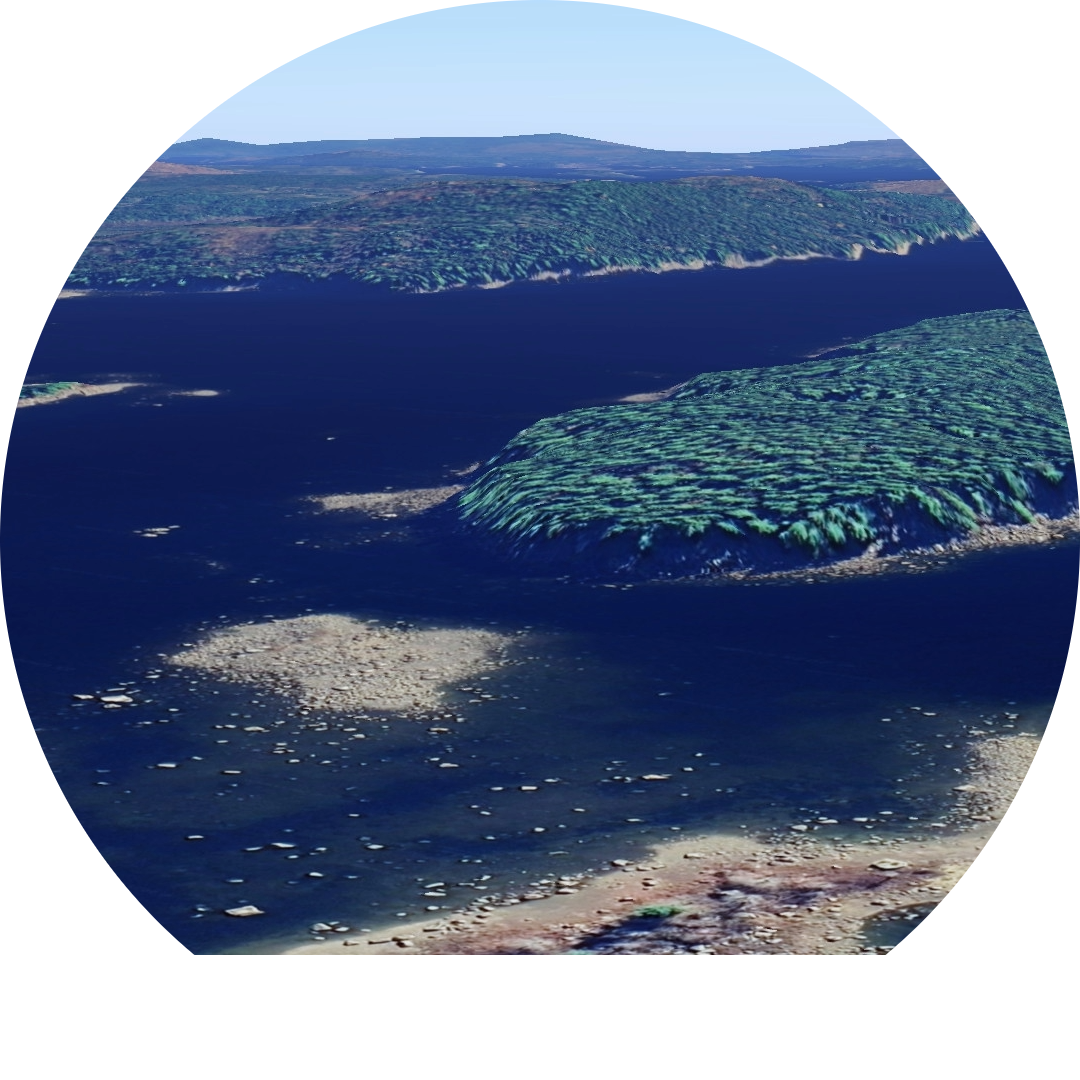
A Panel on Giving and Taking with Dolly Apt, Donald Soctomah, and Brian Altvater (video, +55 min)
Part 1 (13 minutes)
Hear about the Skutik Riverkeepers, the Language revitalization efforts of Elder Dolly Apt, and the idea of Relatives, not Resources.
A few quotes from Part 1 to carry with you
“Our health is directly related to the health of the environment” – Donald Soctomah
“What we do to the Alewife, we do to ourselves” – Vera Francis
“I remember Brian and Eric’s father being a fisherman, and they would come back with all kinds of fish and I remember them putting them in the mailboxes so that people would have food. In everybody’s mailbox” – Dolly Apt
Part 2 (12 minutes)
Hear Brian Altvater, a leader of the Skutik Riverkeepers, as he shares stories about learning to appreciate balance, and work for it. Now that Siqonomeq (Alewife) is returning, people already want to harvest them; what does Brian think of this?
Wayne Newell created a song for Siqonomeq (Alewife). While never recorded, it lives on through the memories shared in Part 2. Even you now have heard of the Alewife song. Stories and songs about the Territory keep us going, keep us working for balance, for everyone.
And Donald educates us about how the current causeway road into Eastport, Maine, is cutting off a whole arm of Passamaquoddy Bay from the rest of the ecosystem, hurting the ability of the Bay to recover.
Part 3 (7 minutes)
There is a danger of forgetting what Passamaquoddy Bay is supposed to be like.
Before the Eastport causeway road, you could pick lobster off the beach at low tide.
“I think it is a responsibility of us as a people to work at getting that causeway opened” – Dolly Apt
Write down a few phrases from Part 3 that grab your attention.
What statements grabbed your attention? Keep these in mind as you have conversations or watch media over the next days. Imagine how including these thoughts would change the conversation.
“We’re all in this together, this isn’t a Passamaquoddy issue, this isn’t a Canadian issue, American issue, this is for all of us, because the health of our river and our planet is at stake, and the only we’re going to turn things around is to work together. There’s no other way” – Brian Altvater
Part 4 (9 minutes)
How do we make sure we connect this idea of Relatives vs. Resources to the people, youth, that will carry this world on?
Participate in restoration activities in your community and it will enhance your relationship with these relatives.
For example, there are school programs in the region where students release baby salmon, take scale samples, and measure the fish.
Find out if the schools in your area, or other organzations, provide these kinds of hands on experiences, so you can feel that relationship with the Bay (or in the place where you live).
Brian Altvater Bio
Brian Altvater is a Peskotomuhkati community organizer from Sipayik. He served as Director of the Pleasant Point Health Center and is currently a community organizer for Maine Wabanaki Reach. He is President of the Passamaquoddy Blueberry Company, Co-Founder, and chair of the Skutik River-keepers, founder of the now annual Siqonomeq Relay Run and serves on the advisory board for the Maine Commissioner of Corrections, and on the Board of the Cobscook Institute.
Margaret “Dolly” Apt Bio
Margaret “Dolly” Apt is a language and cultural preservationist of the Peskotomuhkati First Nation, known as an Elder Knowledge Keeper, counselor, and teacher. Margaret often discusses the significance of preserving the Peskotomuhkati language and her role as an elder, and the importance of passing down language and cultural knowledge to future generations. Margaret is always willing to share insights into traditional Peskotomuhkati foods and the cultural significance of basket making, learned from her grandmother, including the process of dyeing and weaving baskets with sweetgrass.
Donald Soctomah Bio
Donald Soctomah is a Peskotomuhkati historian, author of 7 books, teacher, filmmaker, lecturer, storyteller, and community leader who lives in Motahkomikuk. He serves as the Tribal Historic Preservation Officer for the Passamaquoddy Tribal communities in Maine and New Brunswick. Donald works with both the U.S. and Canadian governments on the protection of culturally significant sites, artifacts and knowledge. He has written several books about Passamaquoddy history, as well as co-authored two children’s books, Remember Me: Tomah Joseph’s Gift to Franklin Delano Roosevelt, and The Canoe Maker. Donald has appeared on National Public Television, Maine Public Television, Canadian Broadcasting, Animal Planet and is a frequent consultant to the Smithsonian Institution, US Library of Congress, and Maine State Museum.